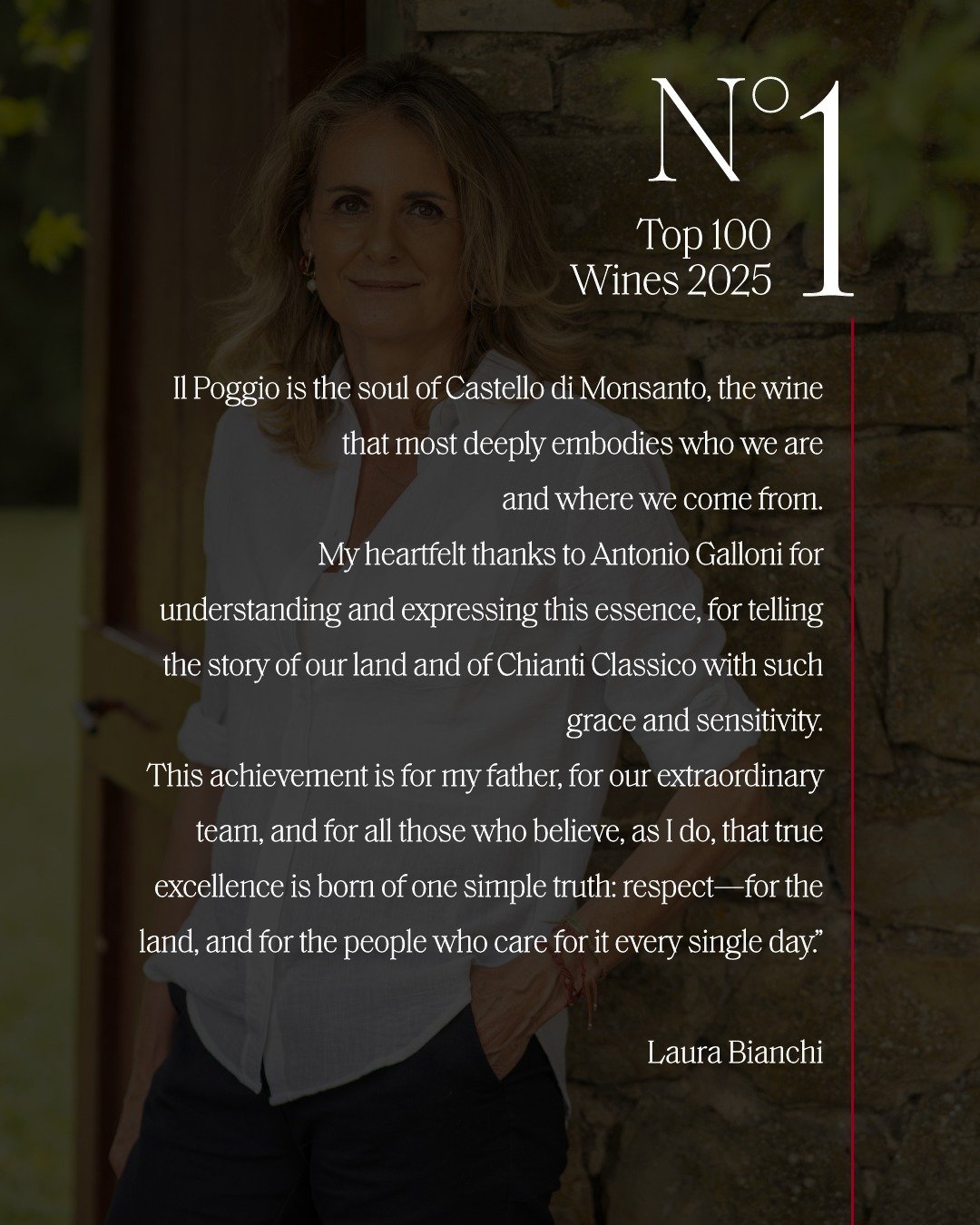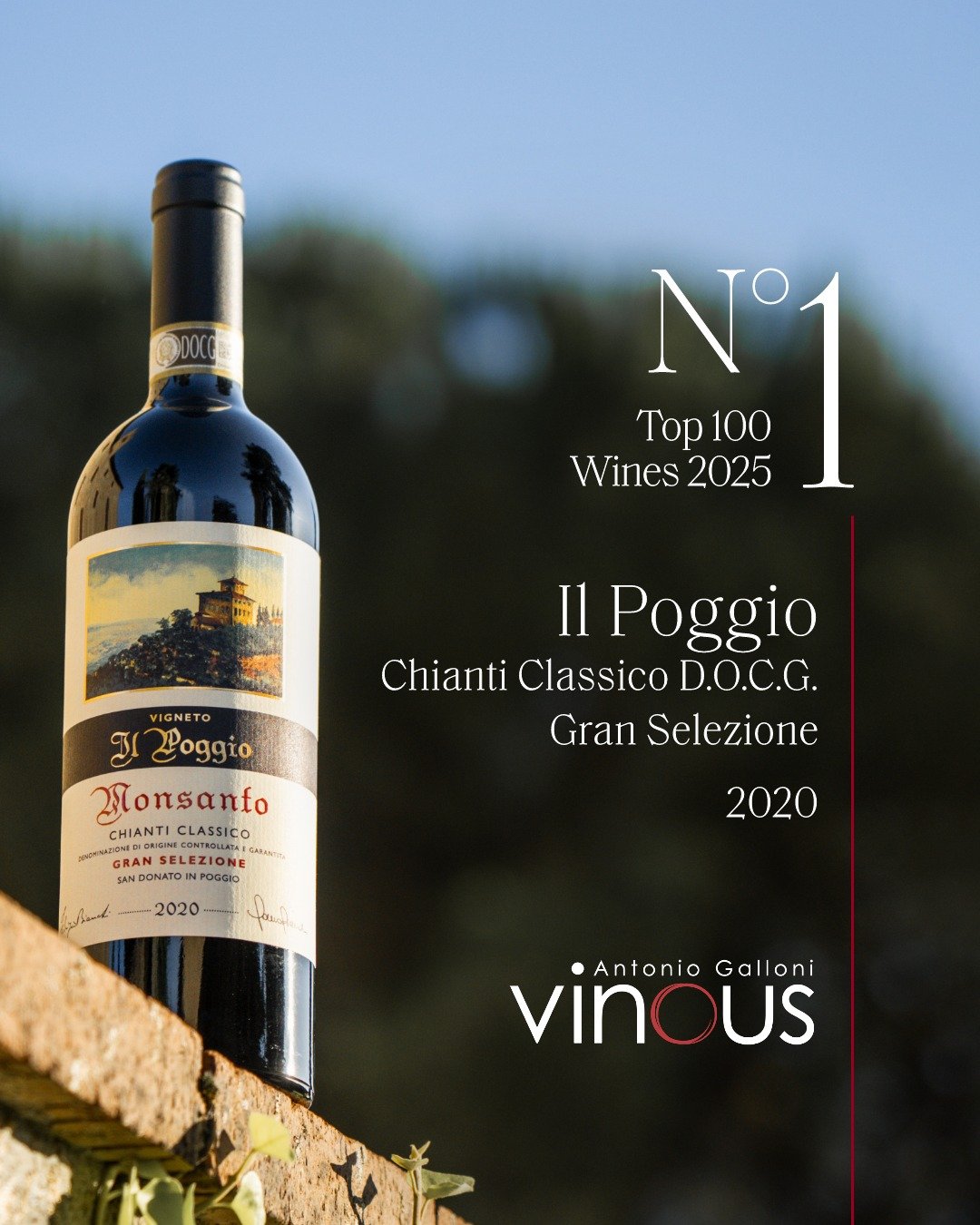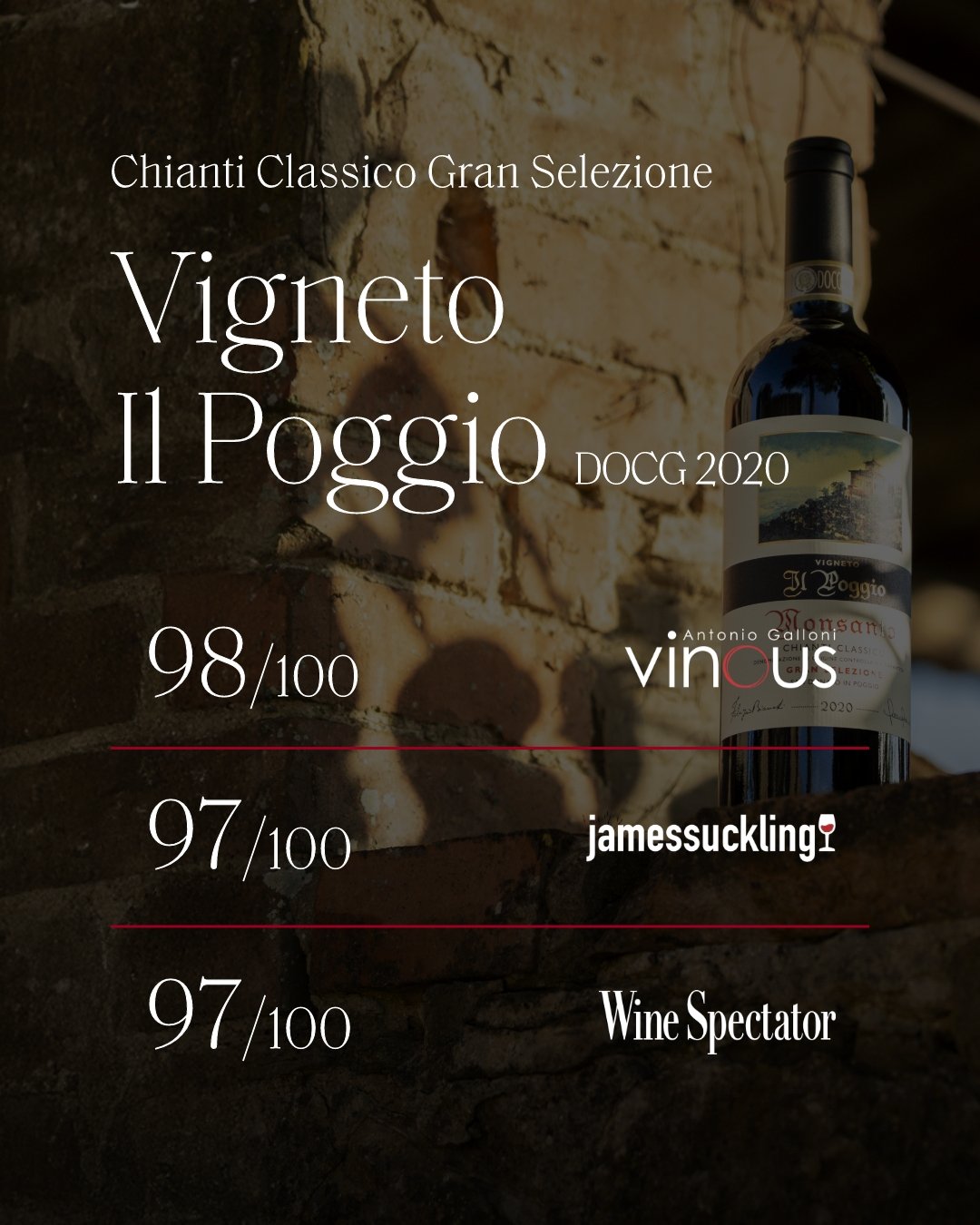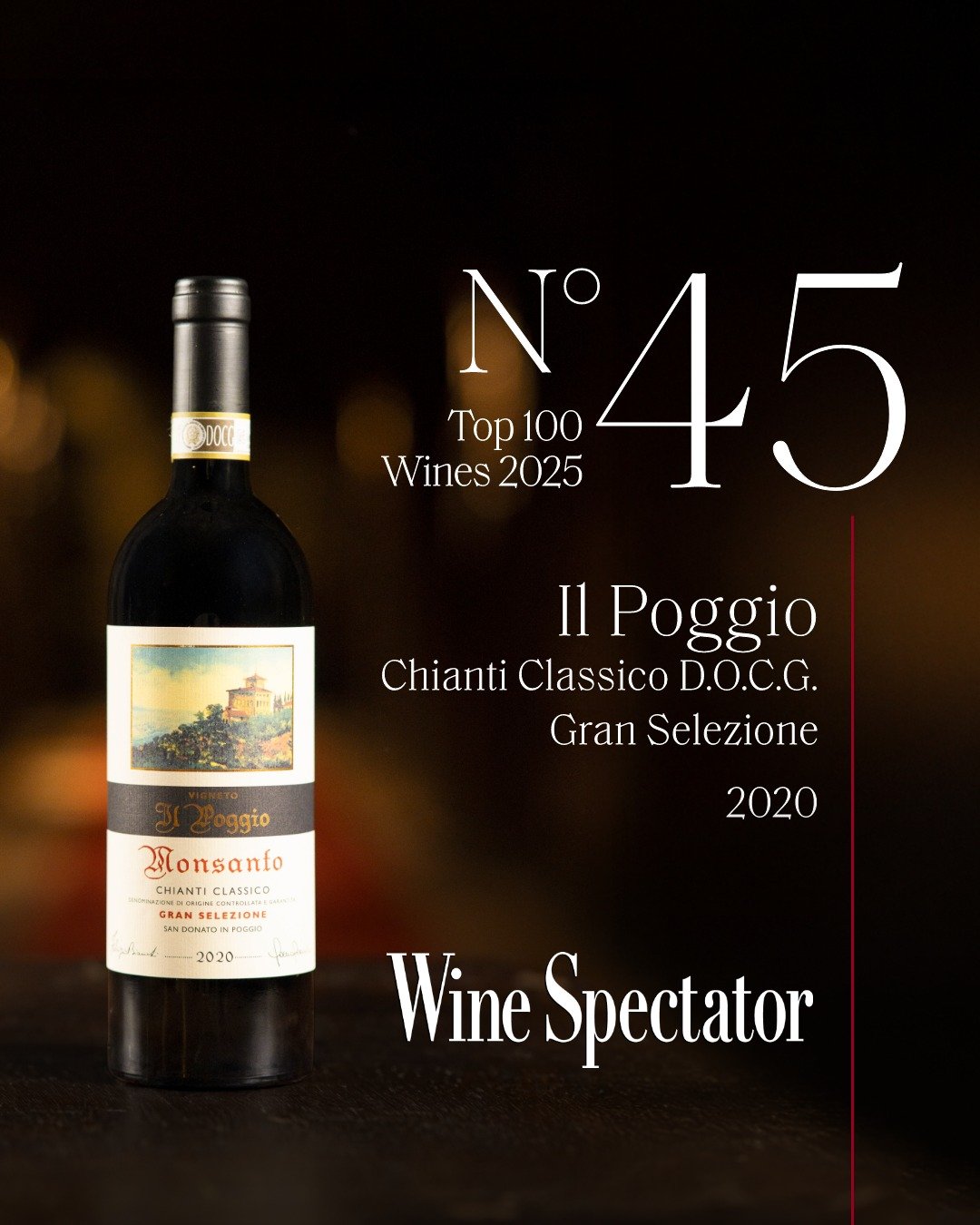
In the heart of Chianti Classico, Castello di Monsanto represents one of Tuscany’s most enduring expressions of terroir and tradition. With its historic vineyards, pioneering spirit, and timeless wines led by the legendary Il Poggio, the estate embodies the elegance, depth, and authenticity of great Tuscan winemaking.
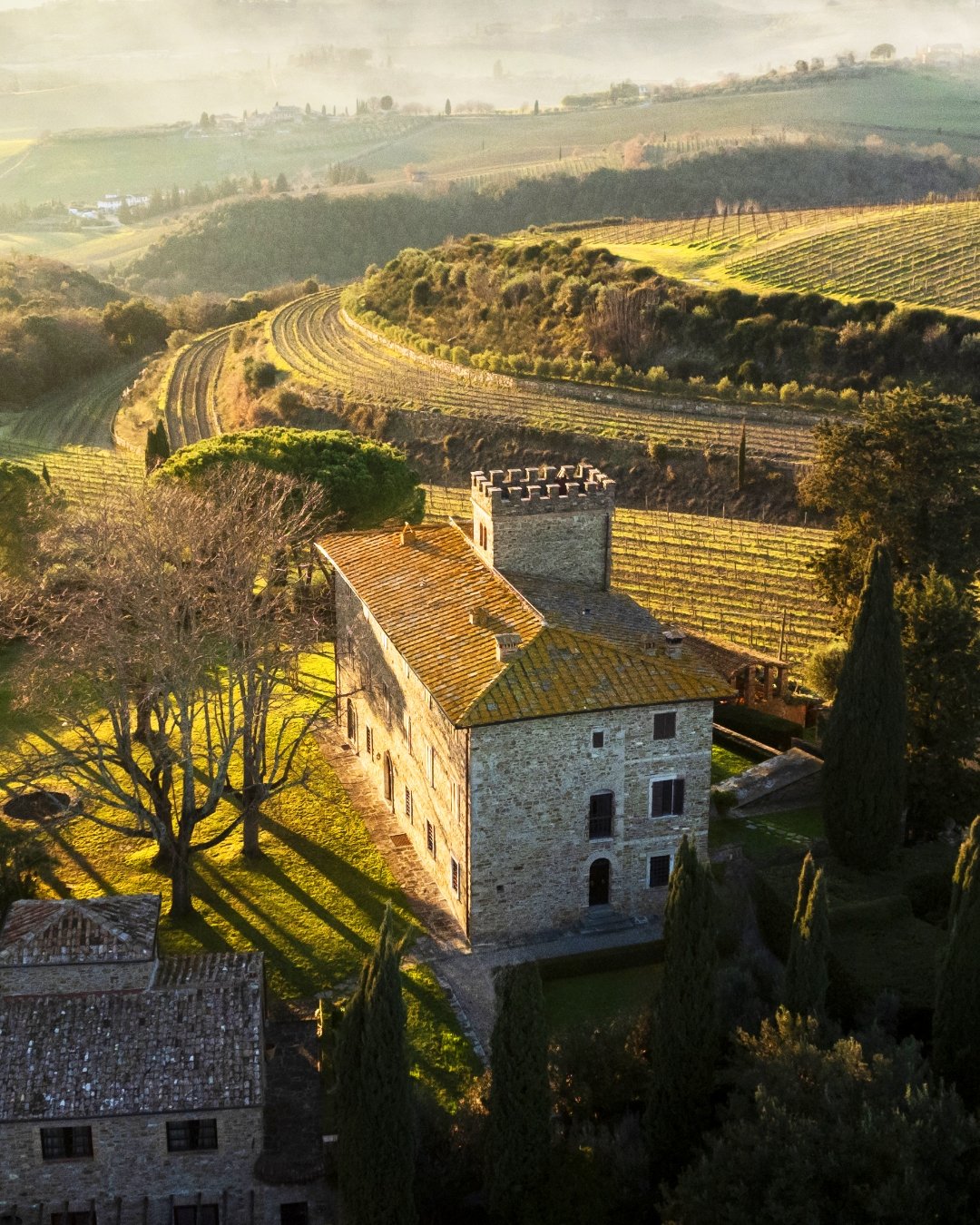
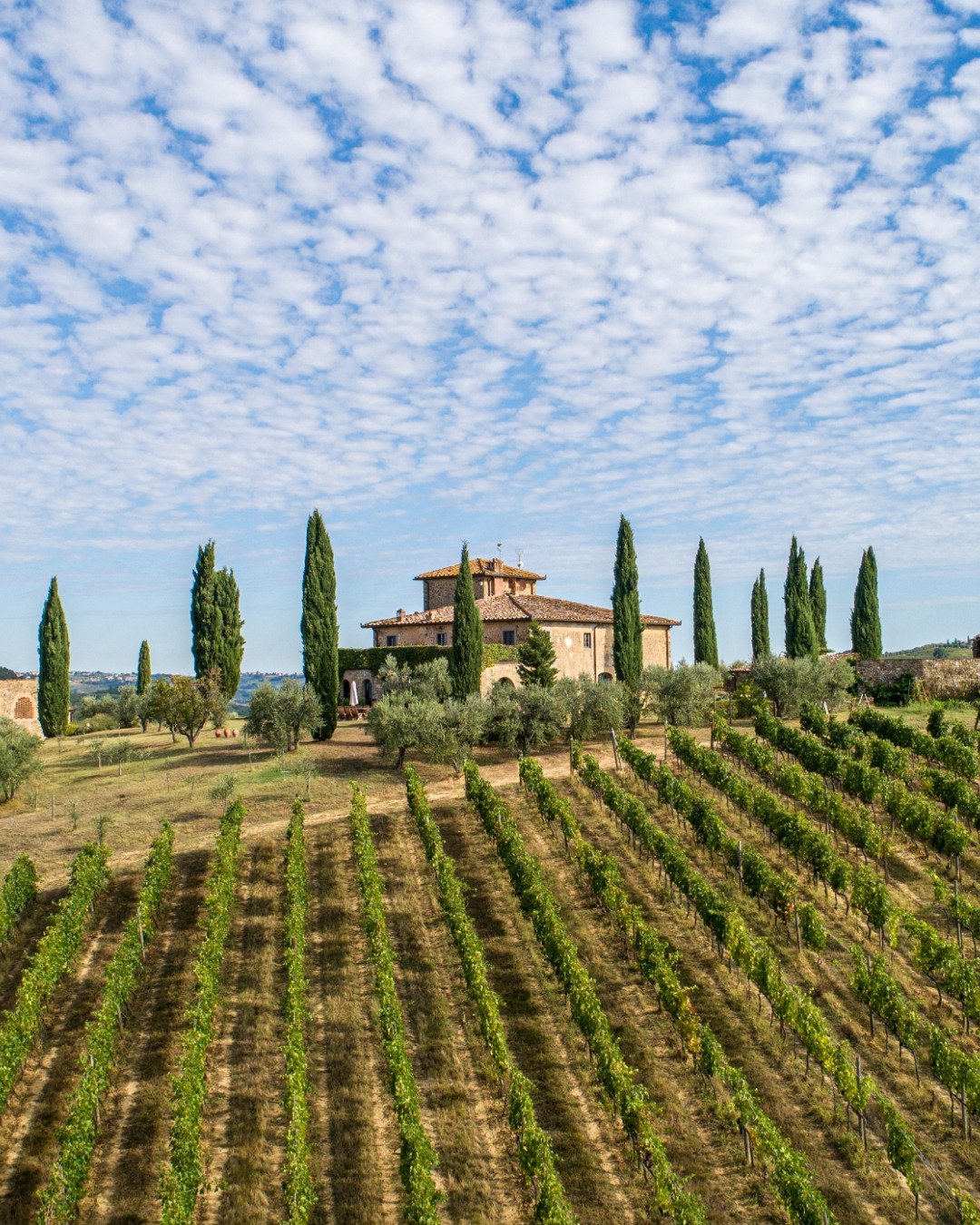
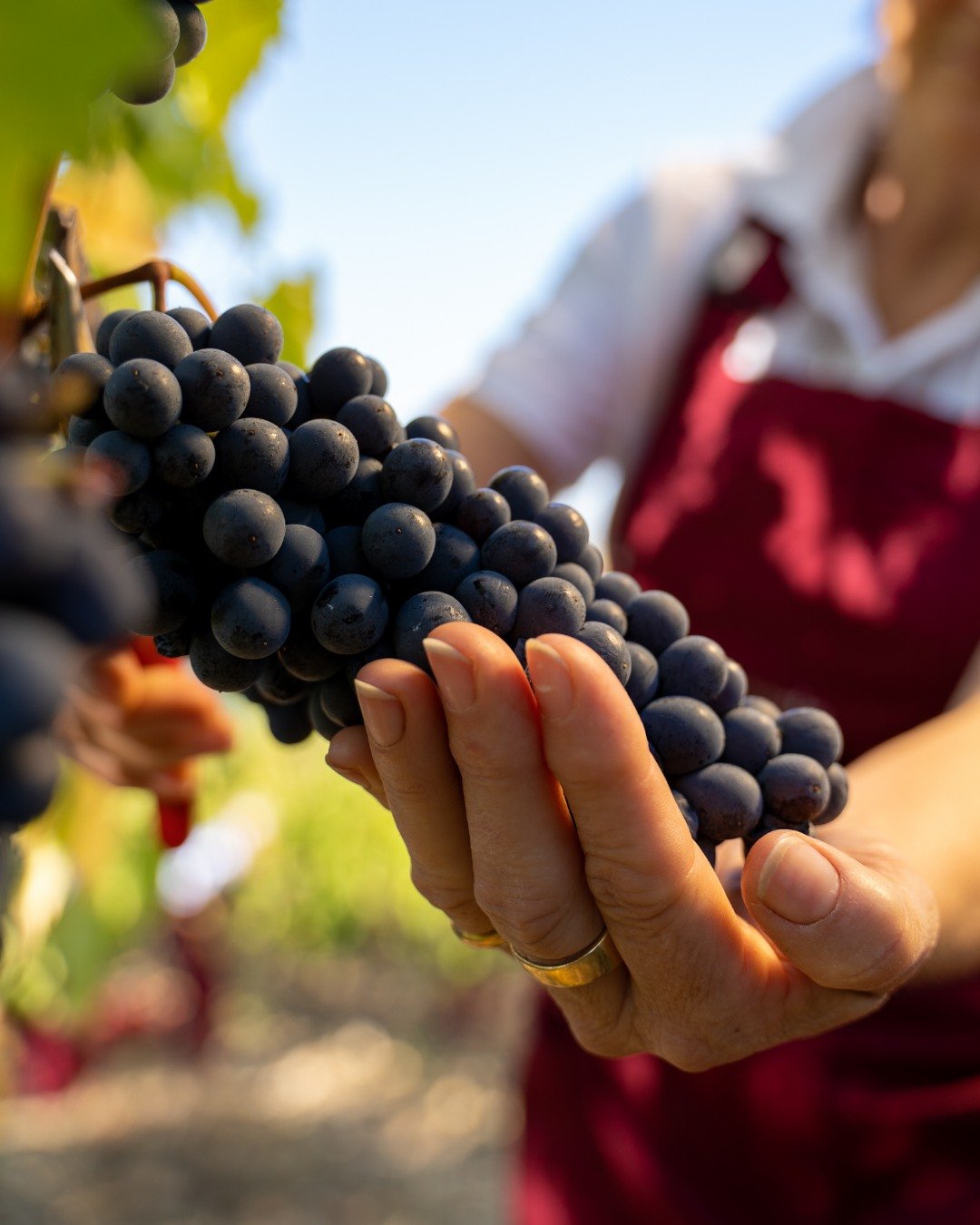
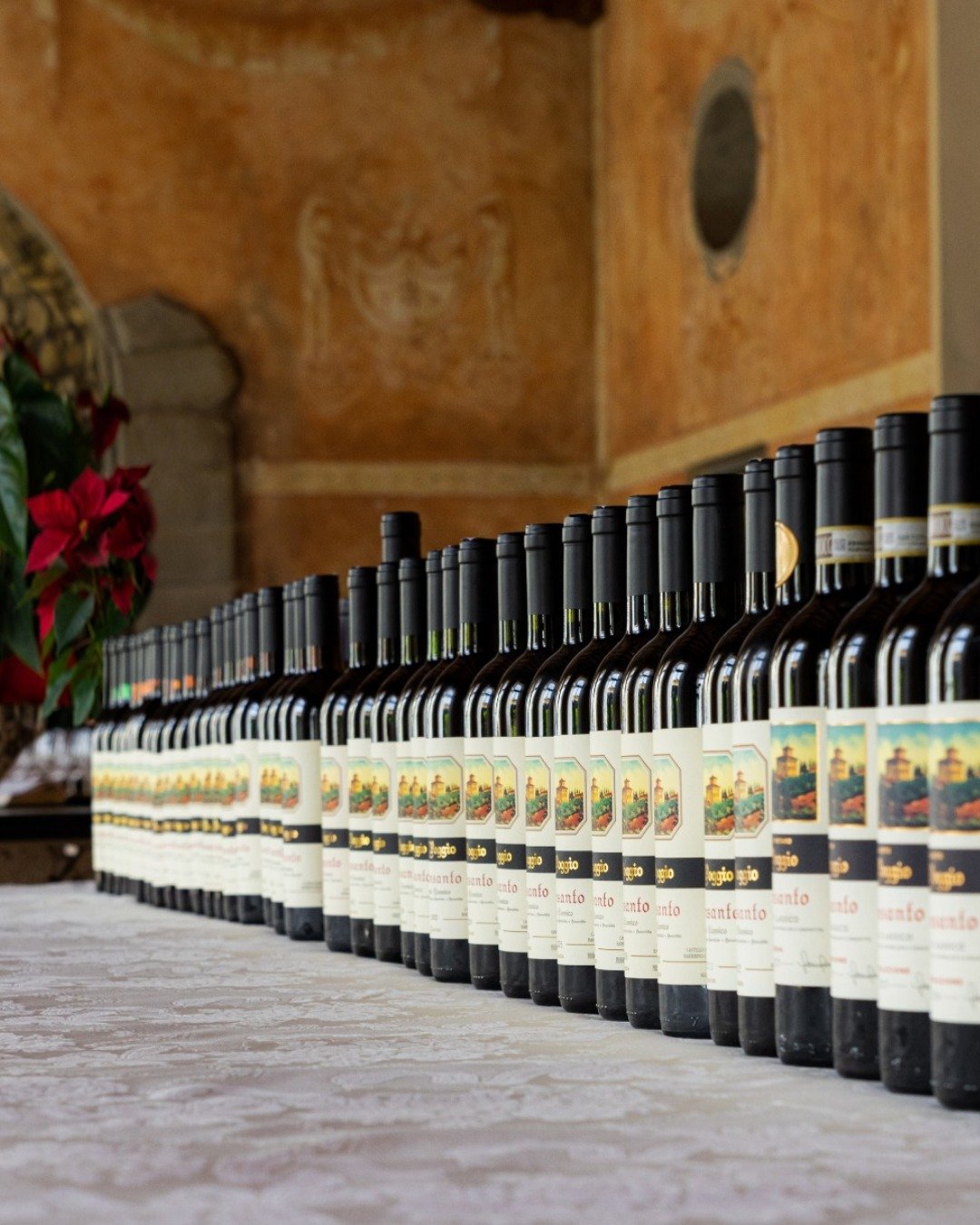
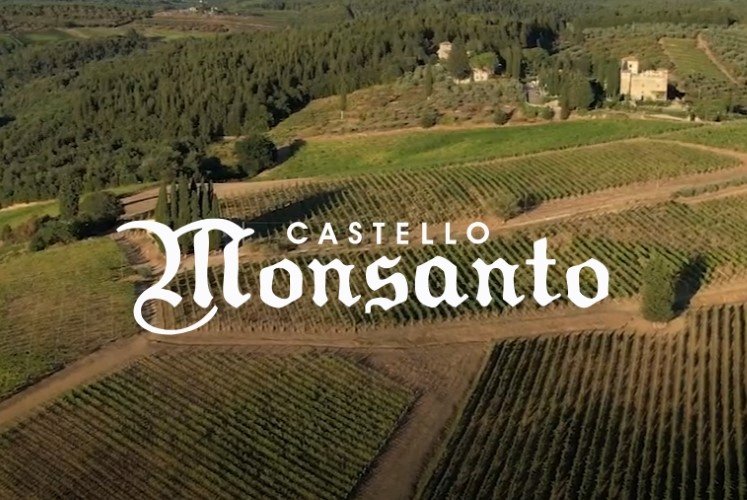
Castello di Monsanto is one of the iconic estates of Chianti Classico, set in the rolling hills of Tuscany near Barberino Tavarnelle. The estate spans 72 hectares, with four historic vineyards—Il Poggio, Scanni, Il Mulino, and Il Salcio—that shape the character and depth of its wines.
Since the 1960s, Castello di Monsanto has helped define the modern identity of Chianti Classico. The estate is especially renowned for Il Poggio, widely recognized as the first single-vineyard Chianti Classico Cru, a landmark wine that established Monsanto as a benchmark producer of age-worthy Tuscan reds.
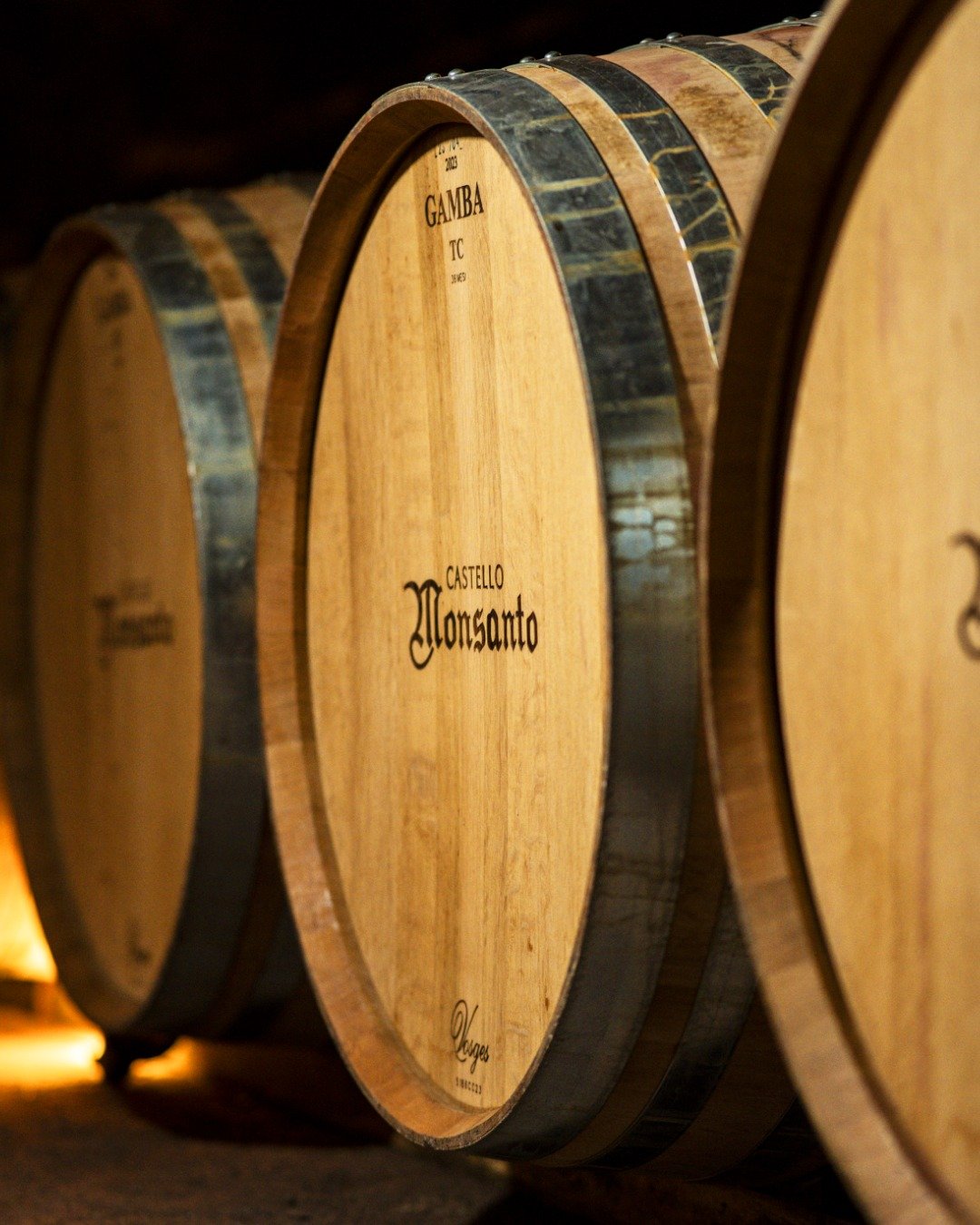
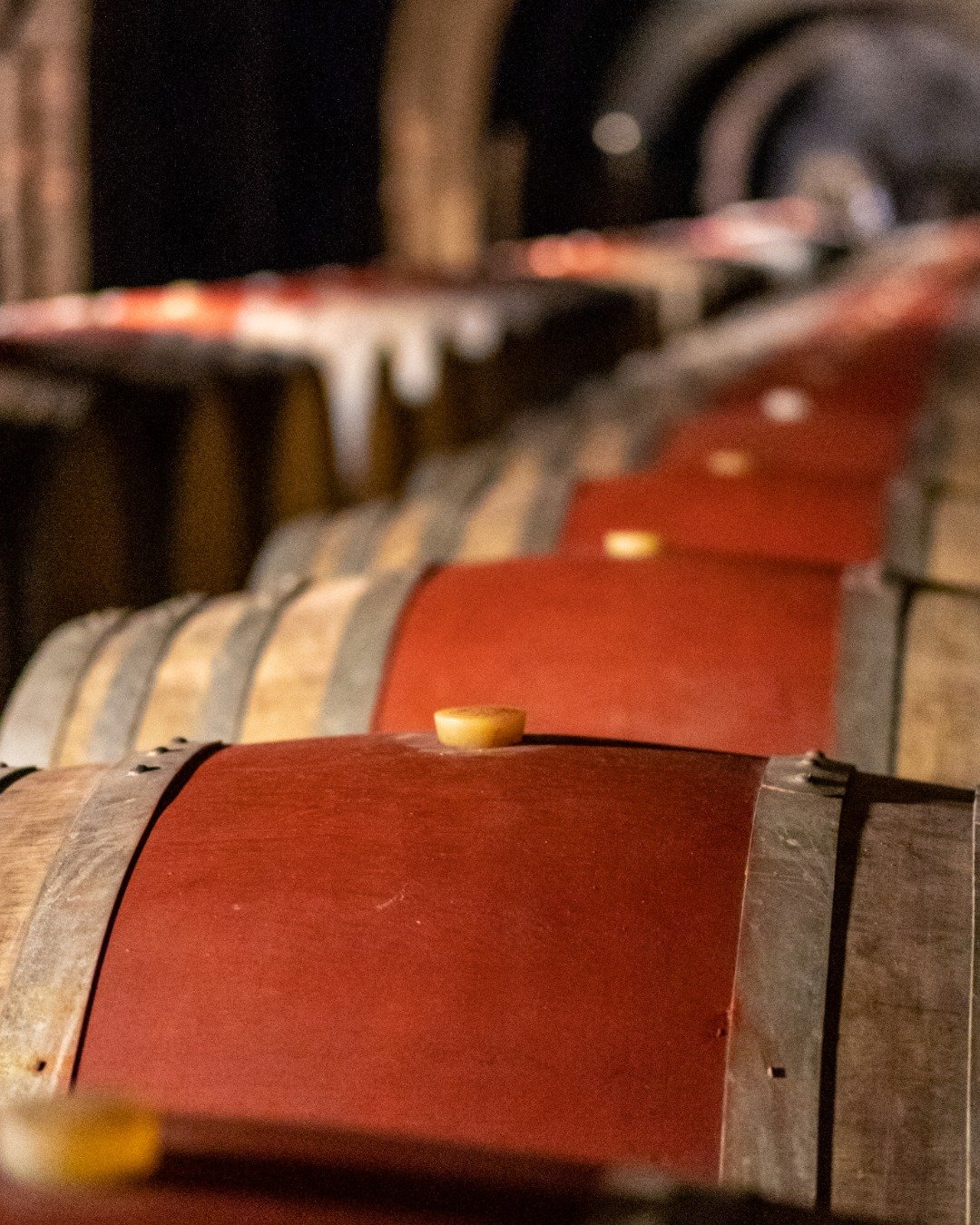


At Castello di Monsanto, tradition, terroir, and precision come together in wines of structure, elegance, and longevity. Rooted in a deep belief in Sangiovese and the expressive power of Chianti Classico, the estate crafts wines that combine purity of fruit, freshness, and unmistakable Tuscan character.
The result is a collection that captures both the heritage and the future of Chianti Classico. From its classic estate wines to its celebrated Riservas, Castello di Monsanto continues to stand as a symbol of authenticity, refinement, and enduring excellence in Tuscany.
Castello di Monsanto: ตำนานผู้พลิกโฉม Chianti Classico สู่ระดับโลก